Some AI news makes you nervous. This one gives you hope.
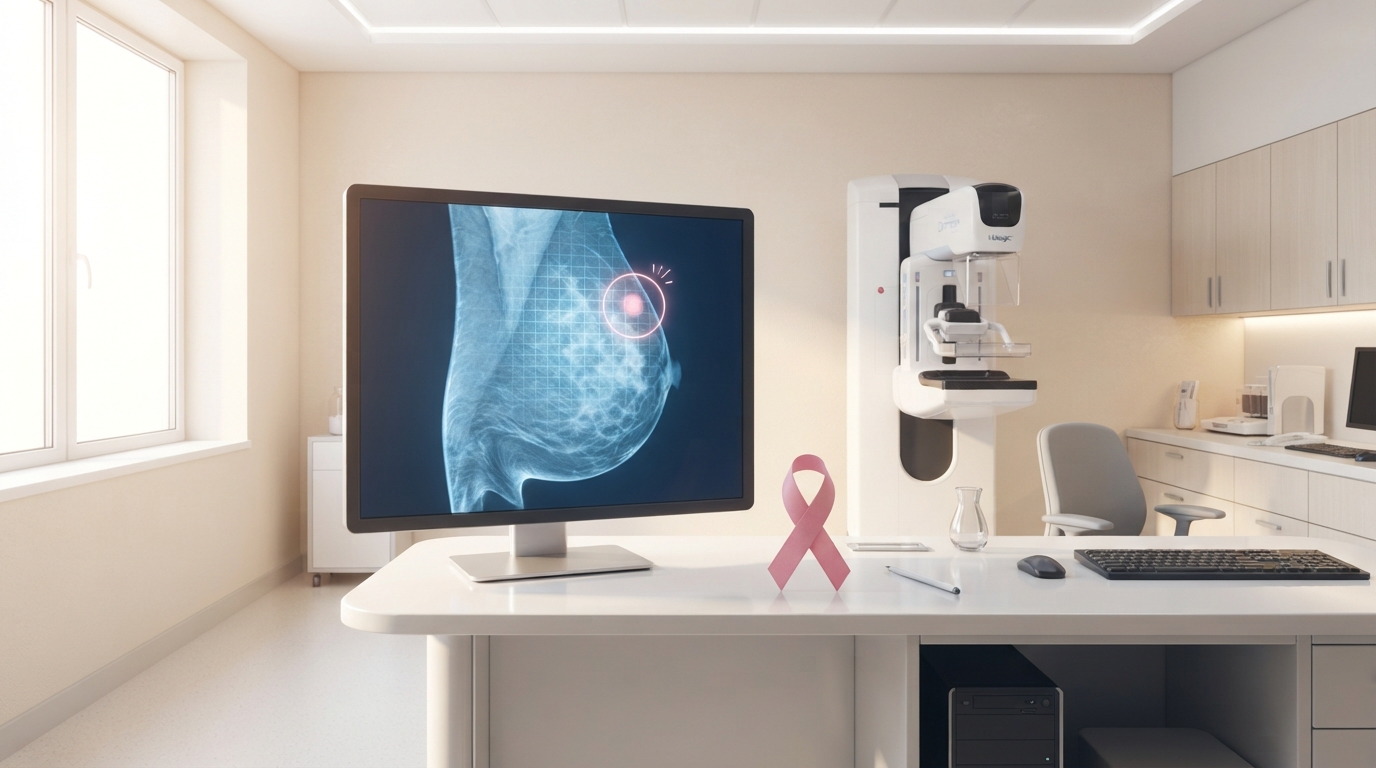
This week, the UK’s National Health Service started the biggest test ever of AI in breast cancer screening. Nearly 700,000 women are being invited to take part, and the goal is simple but huge: find out whether AI can help doctors catch breast cancer sooner, when it’s easier to treat.
I’ll be honest, as someone who writes about AI every day, this is the kind of story that reminds me why the technology matters. It’s not about chatbots or stock prices. It’s about catching a disease that affects millions of families, including maybe yours or mine.
Here’s what’s happening and how it works.
The NHS Launches the World’s Largest AI Breast Cancer Screening Trial
On November 23, 2026, the NHS began its largest AI assisted breast screening trial, with women in Cambridgeshire becoming the first participants, according to The Neuron. Recruitment started at Cambridge University Hospitals.
The study is called EDITH, which stands for Early Detection using Information Technology in Health. It costs about £10 million, or about $13 million at current exchange rates, and it will run for about three years.
Here’s the key change. Right now, every mammogram in the NHS screening program is checked by two specialists. In the trial, AI will step in to help with that work, either as an extra set of eyes or by flagging the scans that need the closest look.
And before anyone worries: AI won’t be diagnosing cancer on its own. Every mammogram will still get at least one human review, and doctors make the final call.
Key Facts at a Glance
- What: EDITH, the world’s largest trial of AI in breast cancer screening
- Who runs it: The UK’s National Health Service (NHS)
- Started: November 23, 2026, at Cambridge University Hospitals
- Participants: Nearly 700,000 women, ages 50 to 70
- Locations: 30 breast screening sites across the UK
- Length: About three years
- Cost: About £10 million (about $13 million at current exchange rates)
- Human role: Every mammogram still gets at least one human review
- Big goal: Catch more cancers earlier and ease pressure on overworked radiologists
How AI Breast Cancer Screening Works in the EDITH Trial
The trial will test two different ways AI could help.
Option one: AI as a second reader. A specialist reviews the mammogram as usual, and AI checks it too, looking for anything the human might have missed. The AI is especially useful for spotting tiny tumors that are too small to see or feel.
Option two: AI goes first. The AI looks at the images first and estimates how likely each one is to show cancer. Doctors then use that score to decide which scans need extra attention.
For the women taking part, nothing changes on screening day. The appointment is exactly the same, because the AI works on the images after they’re taken. And women who don’t want to be included can opt out.
Why the NHS Needs Help With Breast Screening
The numbers explain a lot. Around 2.1 million women get breast screening in the UK every year. Yet fewer than 1% of mammograms actually show signs of cancer.
That means radiologists spend a huge amount of time carefully checking images that turn out to be completely normal. It’s important work, because missing even one cancer matters. But it’s also exhausting, and there aren’t enough specialists to go around.
According to the Royal College of Radiologists, more than 20% of the UK’s breast radiology workforce will reach retirement age by 2030. Meanwhile, the workforce has grown by an average of just 2% over the past five years.
So the NHS is facing more scans and fewer experts. If AI can safely take on some of the routine work, radiologists can spend more time on the tricky cases and on patients who need follow up care.
The Early Results From Sweden Look Promising
The NHS isn’t starting from zero. A big study in Sweden, called MASAI, already tested AI assisted screening with more than 105,000 women.
The results, published in The Lancet in January 2026, were impressive:
- AI assisted screening caught 80.5% of cancers, compared with 73.8% for regular screening.
- Both methods correctly cleared women without cancer 98.5% of the time, so AI didn’t cause a flood of false alarms.
- An earlier analysis found AI cut the mammogram reading workload by 44.2%.
In plain terms, AI helped find more cancers while giving doctors nearly half their reading time back. That’s a big deal. But Sweden isn’t the UK, and the NHS wants to see whether those results hold up across its own hospitals, staff, and patients. That’s exactly what EDITH is for.
The Questions AI Still Has to Answer
This is a trial, not a finished product, and researchers are being careful. Here are the big questions they want answered:
- Can AI catch cancers that humans miss? That’s the whole point, and early signs are good.
- Will it cause unnecessary worry? If AI flags harmless changes too often, more women could be called back for extra tests and stress they didn’t need.
- What about overdiagnosis? Sometimes screening finds very slow cancers that would never have caused harm. Treating those can do more harm than good.
- Does it actually save money? AI tools cost money too, so hospitals need to know whether the math works out.
I really appreciate that the NHS is asking these questions up front, instead of rushing AI into hospitals and hoping for the best. With something as serious as cancer, slow and careful is the right speed.
What This Means for Women Everywhere
Even if you don’t live in the UK, this trial matters to you.
EDITH is the biggest study of its kind in the world, so its results will be studied by doctors and health systems everywhere, including in the US. If it shows that AI can safely catch more cancers earlier, other countries are likely to follow.
For women, the biggest potential win is simple: finding breast cancer sooner, when treatment tends to work best. For doctors, it could mean less time on routine scans and more time with the patients who need them most.
And if it works for breast cancer, similar AI tools could be tested on other kinds of medical scans next.
One quick but important note: AI is here to help with screening, not replace it. If you’re due for a mammogram, the best thing you can do is still to book it. Early detection saves lives, with or without AI.
The Bottom Line
The NHS has launched EDITH, the world’s largest trial of AI in breast cancer screening, with nearly 700,000 women across 30 sites over about three years. AI will either double check mammograms or help doctors decide which ones need a closer look, and a human will always review every scan.
Early results from Sweden suggest AI can find more cancers and cut doctors’ workload almost in half. Now the world gets to see whether it works on a much bigger stage.
This is AI at its best: quietly helping people catch something serious a little sooner.
What do you think? Would you feel comfortable having AI help read your mammogram? Let me know in the comments.


Leave a Reply