
The two biggest names in your pocket are now at war in court.
On one side, Apple, the company behind the iPhone. On the other, OpenAI, the company behind ChatGPT. They’ve even been partners, with ChatGPT built right into Apple devices. Now they’re accusing each other of stealing secrets, spying on employees, and playing dirty to win the race for the next big AI gadget.
And on Friday, November 27, 2026, OpenAI hit back hard.
OpenAI Countersues Apple Over Trade Secrets and Supplier Threats
Here’s the big news. OpenAI filed a countersuit against Apple in a California court, accusing the iPhone maker of stealing its trade secrets and blocking its access to hardware suppliers. As CNN reported, OpenAI accuses Apple of “unlawful, tortious, and unfair business practices.”
According to the filing, Apple has been “coercing and threatening” suppliers that work with OpenAI on its upcoming devices. OpenAI says Apple is trying to “compete unfairly by any means available.”
This is a direct response to Apple, which sued OpenAI first back in July. Apple claims former Apple employees took secret engineering information to help OpenAI build its own devices. Now OpenAI is flipping the story and saying Apple is the one playing unfair.
Apple isn’t backing down either. In a statement, Apple called OpenAI’s counterclaims “a transparent attempt to distract from the substance of Apple’s lawsuit.”
Key Facts at a Glance
- What happened: OpenAI countersued Apple on Friday, November 27, 2026, in a California court.
- OpenAI’s main claims: Apple stole OpenAI trade secrets, threatened suppliers working on OpenAI devices, and used employees’ personal accounts to trap people who leave.
- Apple’s original lawsuit: Filed in July 2026 against OpenAI, its device company io Products, and former Apple employees Tang Tan and Chang Liu.
- Apple’s response: It says the case is about OpenAI employees deliberately stealing Apple’s secrets, and that OpenAI has already been ordered to stop using Apple’s confidential information.
- Talent fight: OpenAI says 400 employees have left Apple for OpenAI so far.
- Trial date: Apple’s original case is scheduled for trial on July 19, 2027.
- Court ruling: No court has ruled on OpenAI’s new claims yet.
How This Fight Started
To understand the countersuit, you have to rewind a bit.
OpenAI wants to make its own hardware, real physical devices you can hold. To do that, it bought io, the design company founded by Jony Ive, the legendary designer behind the iPhone. That move alone made Apple nervous. Ive spent decades at Apple shaping some of its most famous products.
Then OpenAI started hiring Apple people. Lots of them. One big name was Tang Tan, who previously led iPhone and Apple Watch product design at Apple.
In July 2026, Apple sued. Its lawsuit names OpenAI, io Products, Tang Tan and another former Apple employee, Chang Liu. Apple alleges that confidential engineering information and hardware development details were taken to benefit OpenAI’s consumer device plans. OpenAI denied it.
Since then, the fight has only gotten bigger:
- August 2026: Apple asked the court for a preliminary injunction to stop any further use of its alleged trade secrets.
- October 2026: OpenAI claimed an employee who went back to Apple sent more than 100 confidential files about unreleased OpenAI hardware to personal accounts, including device images, engineering data and supplier information. Apple said its investigation had not found OpenAI’s confidential information.
- Late October 2026: Apple won expanded access to evidence, and the case got an official trial date.
- November 27, 2026: OpenAI filed its countersuit.
OpenAI’s Biggest Accusations Against Apple
So what exactly is OpenAI saying? Here are the main claims, in plain English.
Apple Is Threatening OpenAI’s Suppliers
This one could matter the most. Building a device means relying on factories and parts makers, and many of them also work with Apple. OpenAI says Apple has been “coercing and threatening” suppliers that work with OpenAI.
If that’s true, it’s a serious problem. Apple is one of the biggest customers on the planet for these companies. A supplier probably wouldn’t want to risk losing Apple’s business just to help a newcomer.
The Personal Device Trap
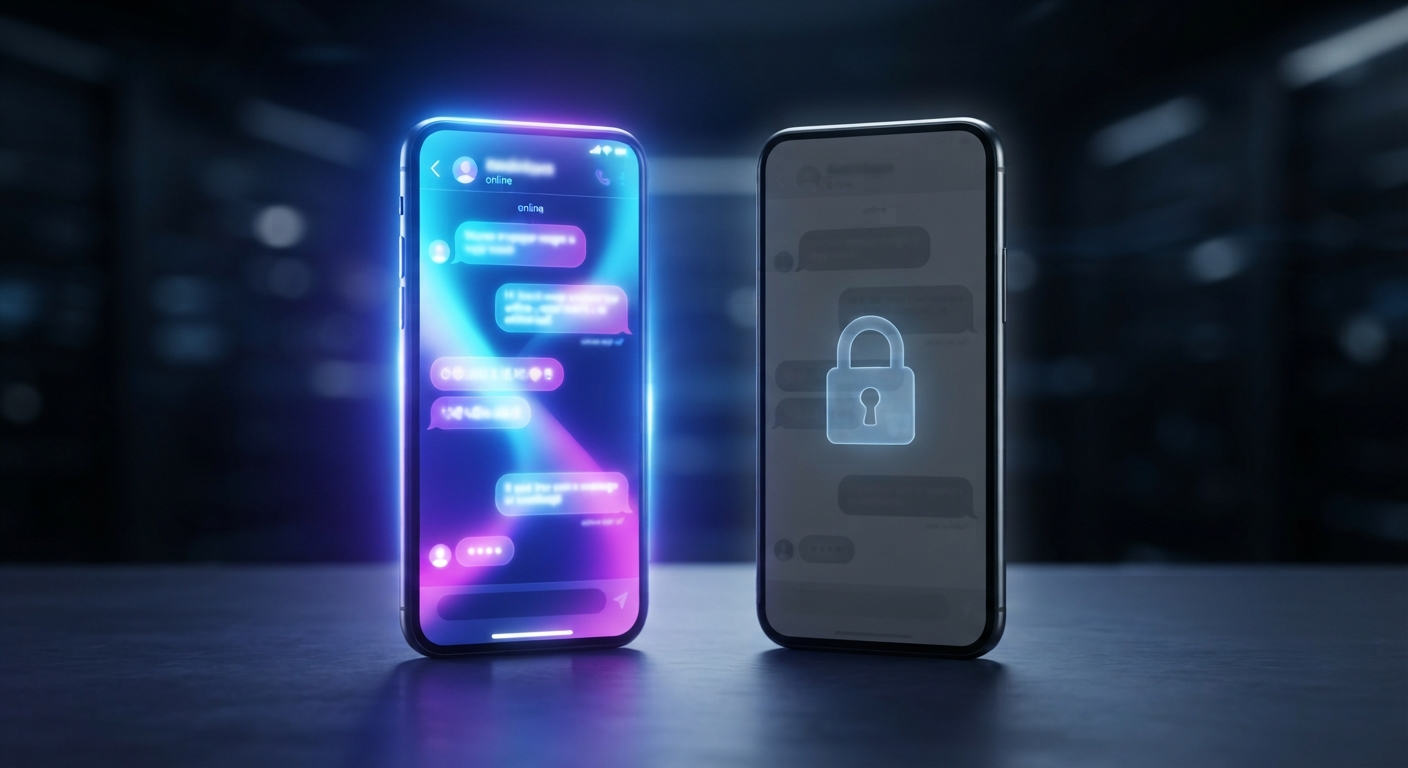
This claim is honestly a little wild. According to CNBC’s report on the filing, OpenAI says Apple encourages employees to work on their personal Apple devices and accounts. Then, when employees leave, Apple doesn’t give them an orderly way to separate their work files from their personal stuff.
OpenAI goes further. It says Apple keeps accessing former employees’ personal devices and accounts after they leave, which lets Apple “monitor and ensnare departing employees” heading to competitors.
Think about your own phone for a second. Your photos, your messages and your work emails might all live in the same place. OpenAI is basically arguing that Apple uses that mix against people who quit.
Apple Wants to Scare Workers From Leaving
OpenAI says 400 employees have left Apple for OpenAI so far. In its view, Apple’s lawsuit is really about scaring other Apple workers out of leaving for other tech companies. OpenAI has made this argument before, describing Apple’s case as an attempt to stop it from hiring Apple employees.
What Apple Says in Response
Apple is firmly rejecting all of this. In a statement to 9to5Mac, Apple said: “This case is about OpenAI employees deliberately stealing, accessing, and using Apple’s secret and confidential information regarding our unreleased technologies, processes, and products.”
Apple added that the case is “not about inadvertent retention of Apple information.” In other words, Apple says this wasn’t an accident where someone forgot to delete a few files.
Apple also pointed out that, in its lawsuit, OpenAI “has already been ordered to stop using Apple’s confidential information.”
Why the OpenAI vs Apple Fight Matters to You
You might be thinking, okay, two rich companies are fighting, why should I care? Fair question. Here’s why it actually matters.
The race for the next big device. OpenAI wants to build AI gadgets that could compete with the iPhone one day. If Apple can slow that down in court, it protects its spot. If OpenAI wins, we could see more choices, and maybe better prices, sooner.
Your work and personal data. The claims about personal devices touch on something a lot of people deal with. Many of us mix work and personal stuff on the same phone or cloud account. This case could shine a light on what companies can see when you leave a job.
ChatGPT on your iPhone. OpenAI and Apple announced a partnership to bring ChatGPT into Apple devices. With the two companies now fighting this hard in court, it’s fair to wonder how long that friendship can last.
Job freedom in tech. If big companies can make it scary to leave, workers have less freedom to move. That affects salaries, innovation and how fast new products come out.
The Race to Build the Next AI Device
Strip away the legal language, and this whole fight comes down to one thing: who gets to build the gadget that comes after the smartphone.
OpenAI has made its plans pretty clear. Its hardware ambitions include new personal devices, and buying Jony Ive’s io was the loudest possible signal that it’s serious. Hiring hundreds of people from Apple, a company that knows how to design, build and ship devices at massive scale, fits right into that plan.
Apple, meanwhile, has spent decades building the iPhone into one of the most successful products ever made. Its lawsuit is all about protecting what it calls its “unreleased technologies, processes, and products.” For Apple, a rival walking away with its design secrets or its best engineers is a direct threat to its future.
That’s also why the supplier claims are such a big deal. You can have brilliant designers and amazing software, but if the factories won’t build your device, it stays a sketch on a whiteboard. Whoever controls access to those suppliers has a huge advantage.
So yes, this is a lawsuit. But it’s also a preview of the next big battle in tech, and right now, both companies are fighting for the same prize.
What I Think: This Fight Is Really About the Future of Your Phone
Here’s how I see it. When a company as big as Apple sues you, firing back with a lawsuit of your own is almost a reflex. So I’m not surprised OpenAI did this. What surprised me is how personal it got, with claims about spying on former employees instead of just arguing over files.
I’m not going to pretend I know who’s right. Apple’s statement sounds confident, and OpenAI’s complaint sounds angry. Both sides have very good lawyers and very big reasons to win. My gut says the truth is probably somewhere in the middle, and that’s usually how these cases end, with a quiet settlement long before anyone gets a clear answer.
And honestly, as an everyday user, it’s a little tiring to watch. I use these tools all the time, and I’d rather see both companies spend their energy building great products than fighting in court. I’ll be following this one closely and will keep you posted.
What Happens Next
Nothing gets decided overnight here. Apple’s original case is set for trial on July 19, 2027. That gives both sides months to dig through evidence, file motions and maybe even talk about a settlement.
As for OpenAI’s new claims, no court has ruled on them yet. They’re accusations, not proven facts, and the same goes for Apple’s claims against OpenAI. It’s going to take time and a lot of evidence to see who’s telling the more accurate story.
One thing is clear, though. The AI race has moved off the screen and into the real world, into factories, supply chains and courtrooms. And Apple and OpenAI are both playing to win.
Who do you think has the stronger case, Apple or OpenAI? Let me know in the comments.




Leave a Reply